Houston Injury Claims: Evidence That Can Help Your Case
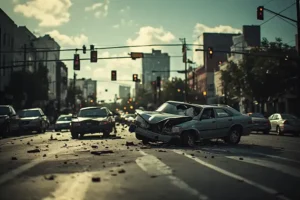
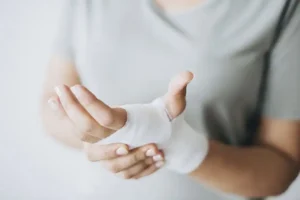
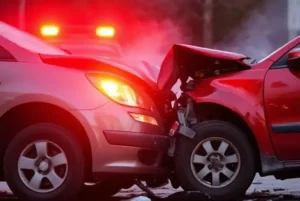
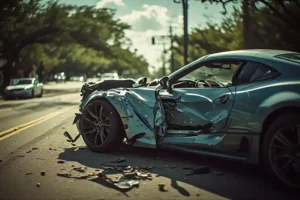
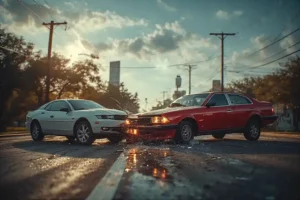
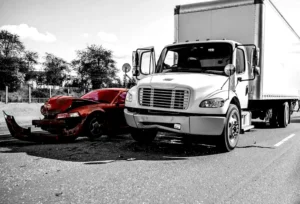
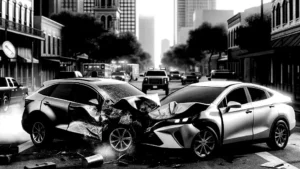
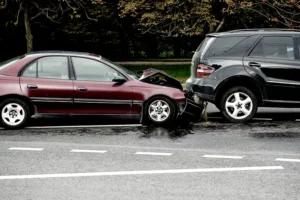
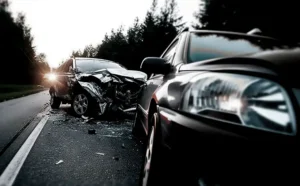
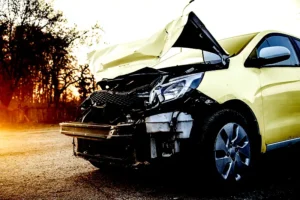
After an accident in Houston, the evidence you preserve may play an important role in determining whether you can establish liability and recover compensation for your injuries. Medical bills, photographs, witness statements, employment records, and accident reports can help explain what happened and how the incident affected your life. However, important evidence can disappear quickly. Surveillance footage may be overwritten, vehicles may be repaired, hazardous conditions may be corrected, and witnesses may become difficult to locate. If you have been injured because of another person’s negligence, understanding what evidence matters can help you make informed decisions about your next steps. For individuals searching for a Houston African American Personal Injury Attorney, it is important to find legal representation that understands the evidence needed to evaluate an injury claim, communicates clearly, and takes the circumstances of each case seriously. Caruthers Law Firm represents individuals and families dealing with personal injury matters in Houston and throughout Texas. This guide explains the evidence that may support a personal injury claim, common mistakes to avoid, and how an attorney can help evaluate your legal options. Why Evidence Matters in a Houston Personal Injury Claim A personal injury claim generally requires evidence supporting the injured person’s legal allegations. Depending on the type of case, that may include evidence that another party owed a legal duty, breached that duty, and caused an injury resulting in legally recognized damages. An accident report alone does not necessarily establish liability. Likewise, photographs of an injury may show that someone was hurt without independently proving how the injury occurred or who was responsible. A complete evaluation may require several forms of evidence that work together to tell a consistent, fact-supported story. For example, after a Houston car accident, photographs might show vehicle damage, a witness statement might explain how the